Disclosure: This post contains affiliate links. If you buy through our links, we earn a small commission at no extra cost to you. Read our affiliate policy.
Choosing between a front load and a top load washing machine is the single biggest decision you'll make when buying a washing machine. Both types are sold widely in India, but they are built on fundamentally different technologies with very different tradeoffs.
Here is our analysis of both types for Indian households specifically, based on specs, running costs and buyer reviews.
Quick Answer
Which is better — front load or top load washing machine for Indian homes?
Front load washing machines are better for Indian homes overall — they use roughly half the water per kg, are gentler on Indian fabrics like silk sarees and cotton kurtas, and spin faster (1000–1400 RPM) for faster drying. Top load machines are better if you want a lower price, prefer no bending, or want quicker everyday cycles.
How They Work Differently
Top Load Washing Machine: You drop clothes in from the top into a large drum (or tub with an agitator). The machine fills with a significant amount of water, and the clothes tumble or get agitated in the water. It's a simple, time-tested design.
Front Load Washing Machine: Clothes go in from the front door. The drum is oriented horizontally and tumbles the clothes in and out of a small pool of water at the bottom. This "lifting and dropping" action — combined with lower water usage — is what makes front loaders so effective.
Water Usage: Massive Difference
This is one of the most important factors in India, where water scarcity is a real issue in cities like Chennai, Bangalore, and Hyderabad.
| Type | Water Used Per Cycle |
|---|---|
| Top Load (7 kg, rated 13–17.5 L per kg) | About 90–120 litres |
| Front Load (7 kg, rated 7.4–8.6 L per kg) | About 50–60 litres |
Using the BEE figures on the LG listings we track, a front loader uses roughly half the water of a top loader: about 40–60 litres less per 7 kg load, or roughly 10,000–15,000 litres a year at 5 washes a week. For households that pay for water or live in water-scarce areas, the savings are significant.
Clothes Care: Front Loaders Win
A top loader with a central agitator is the harshest on clothes. The twisting and pulling action causes significant wear, especially on delicate fabrics like silk, wool, and expensive dress shirts. You'll notice clothes fading and developing micro-tears faster.
A front loader tumbles clothes gently in the manner of hand-washing — lifting and dropping rather than twisting. This is why most front loaders come with a wide variety of delicate wash programs. Your clothes last significantly longer.
If you have expensive or delicate clothing, a front loader is the right choice.
Speed: Top Loaders Win
A standard top load cycle takes 30-40 minutes. A standard front load cycle takes 60-90 minutes. Front loaders are slower because they use less water and rely on longer mechanical action to get clothes clean.
This is a real-world consideration for Indian families who do multiple loads on weekends. However, most modern front loaders have a "Quick Wash" mode (15-30 minutes) for lightly soiled clothes.
Energy Efficiency
| Type | Rated energy per 7 kg cycle | Cost per cycle (at ₹8/unit) |
|---|---|---|
| Top Load (5-star, cold wash) | About 0.05–0.07 units | Under ₹1 |
| Front Load (5-star, rated warm wash) | About 0.35–0.5 units | About ₹3–₹4 |
Front loaders use more electricity per cycle, because their rated cycle heats the water and runs longer. Wash in cold water and the difference shrinks a lot. Either way, electricity is a small part of the running cost next to water and detergent.
Detergent Usage: The Hidden Cost Difference Nobody Talks About
Here is a cost factor almost every buying guide ignores: front load and top load machines use very different amounts of detergent.
Front load machines use HE (High Efficiency) detergent, which is a concentrated, low-suds formula. Because the drum uses less water, a small amount of concentrated detergent is sufficient. Top load machines require larger quantities of standard detergent because they dilute it in 90–120 litres of water.
Monthly detergent cost comparison:
| Type | Detergent Per Cycle | Monthly Cost (30 cycles) |
|---|---|---|
| Top Load (standard powder) | 70–100g at ₹30/kg | ₹63–₹90 |
| Front Load (HE liquid) | 30–40ml at ₹200/L | ₹180–₹240 |
Wait — front load detergent costs more per rupee? Yes, but the key is that HE detergent is far more concentrated. A 1-litre bottle of Surf Excel Matic Liquid (for front loaders) delivers the same cleaning as 3–4 kg of standard detergent powder.
Re-calculated on a cost-per-wash basis:
- Top load: ₹72–₹90/month in detergent
- Front load: ₹180–₹240/month in HE liquid
Front load detergent does cost more monthly. However, front loaders also get clothes cleaner with less detergent residue (which causes skin irritation and fabric stiffness), and many families find they can reduce detergent quantity by 20–30% without any drop in wash quality.
Price Comparison
| Category | Price Range |
|---|---|
| Budget Top Load (6-7 Kg) | About ₹13,700 - ₹20,000 |
| Mid-range Top Load (8-9 Kg) | About ₹19,500 - ₹27,000 |
| Budget Front Load (6-7 Kg) | About ₹25,000 - ₹33,000 |
| Premium Front Load (8-12 Kg) | About ₹31,500 - ₹46,000 |
Ranges are for the well-rated models we list, September 2026.
Front loaders cost more upfront; they save water but not detergent, so don't expect the running costs to pay back the premium on their own.
5-Year Total Cost of Ownership: The Complete Picture
This is the calculation that actually matters. Here is a worked example for a family of 4 doing 5 washes a week (about 1,300 washes over 5 years), comparing a well-rated 7 kg top load (about ₹20,000) with a well-rated 7-8 kg front load (about ₹31,500). Assumptions: tanker water at about ₹0.20 per litre (roughly ₹1,200 for a 6,000-litre tanker), electricity at ₹7 a unit, and the rated water and energy figures from the listings.
| Cost Component | Top Load (5-Star) | Front Load (5-Star) |
|---|---|---|
| Machine | ₹20,000 | ₹31,500 |
| Electricity (5 years) | About ₹600 (cold wash) | About ₹3,900 (rated warm wash) |
| Water (5 years, tanker) | About ₹27,300 (105 L a wash) | About ₹14,300 (55 L a wash) |
| Detergent (5 years) | About ₹4,500 | About ₹10,800 |
| 5-Year Total | About ₹52,400 | About ₹60,500 |
Even paying for tanker water, the front load costs about ₹8,000 more over 5 years in this example, because its price and detergent cost outweigh the water saved. Where water is free or bundled into society maintenance, the gap is bigger; where tanker water costs more, it shrinks.
The honest conclusion: The financial gap between front load and top load is smaller than the marketing suggests. The real reasons to choose a front loader are gentler fabric care, faster spin and water savings — not lower running cost.
Maintenance and Mold Issues
This is where top loaders have a genuine advantage. Front loaders are notorious for developing a musty smell and black mold around the rubber door seal — especially in humid Indian cities like Mumbai, Chennai, and Kolkata.
How to prevent front loader mold:
- Always leave the door slightly open after every wash to allow the drum to air out.
- Wipe the rubber seal dry after every use.
- Run a "Drum Clean" cycle with a cleaning tablet once a month.
If you're disciplined about this, front loaders are perfectly fine. But if you're likely to forget, a top loader is genuinely lower maintenance.
Which Should You Buy? The Indian Household Guide
Choose a Top Load Washing Machine if:
- ✅ Your budget is under ₹20,000
- ✅ You need quick wash cycles (busy family, multiple loads)
- ✅ You live in a humid city (Mumbai, Chennai) and worry about mold
- ✅ You wash mostly cottons, synthetic daily wear
- ✅ You have back problems (no bending to load from the front)
- ✅ You have very hard water (top loaders are less sensitive to mineral buildup)
Choose a Front Load Washing Machine if:
- ✅ You have a budget above ₹30,000
- ✅ You own delicate, expensive clothing
- ✅ Water scarcity is a concern in your area
- ✅ You want the best wash quality
- ✅ You plan to use it for 10+ years (front loaders last longer)
Our Top Picks
For Top Load, we recommend the IFB 8 Kg DeepClean Top Load or the Haier 6 Kg Top Load — both have solid wash quality and strong after-sales service across India.
For Front Load, the IFB Senator GXN 8012 CMS (with Aqua Energie for hard water) and the Bosch 8 Kg Inverter Front Load are the gold standard. For a more affordable front loader, the Samsung 8 Kg EcoBubble Front Load is an exceptional value.
See All Our Washing Machine Reviews →
Related Articles
- Front Load Washing Machine Buying Guide India
- LG vs Samsung Washing Machine India
- Best Washing Machine for Joint Family India
- Best Washing Machine Under ₹20,000 India
Frequently Asked Questions
Which is better — front load or top load washing machine in India?
For most Indian families, a front load washing machine is better overall. It uses roughly half the water per kg, spins faster, and cleans clothes more gently. However, top load machines are better if you have a bad back (no bending), need to add clothes mid-cycle, or have a tighter budget under ₹20,000.
Is front load washing machine worth the extra cost in India?
It depends on your water cost. A front load costs about ₹10,000–₹15,000 more upfront and saves roughly half the water, but uses more electricity per warm cycle and pricier detergent. In our 5-year example above, the front load still cost about ₹8,000 more. It is worth it mainly for the gentler wash, faster spin and water savings where water is metered or scarce.
Which washing machine brand is best for hard water in India?
IFB, because its machines include Aqua Energie, a device IFB says treats hard water. IFB's top loads (from about ₹18,000) bring it to a budget price. See our hard water guide.
Can I put Indian clothes like sarees and kurtas in a front load washing machine?
Yes. All modern front load washing machines have a dedicated Delicate or Silk cycle specifically for sarees, dupattas, and kurtas. These cycles use cold water and very gentle drum action. It is recommended to wash sarees in a mesh laundry bag for extra protection.
How long do front load washing machines last in India?
Brands don't publish lifespans, but motor warranties of 10–12 years show what they expect. Key maintenance tasks: clean the rubber door gasket monthly, run a tub clean cycle every 3 months, and descale the machine in hard water areas every 3 months.
Which is cheaper to run — front load or top load?
On water, a front load: about 50–60 litres per 7 kg load against 90–120 for a top load. If you buy tanker water, that saving adds up. On electricity, a top load washing in cold water uses less per cycle, since the front load's rated cycle heats water.
Related Reading
- Best Washing Machine in India 2026 — Top picks in both types
- Best Washing Machine Under ₹20,000 — Budget guide
- Washing Machine for Joint Family India — Large capacity needs
Our Top Picks — Based On Your Choice
Best Front Load Washing Machine
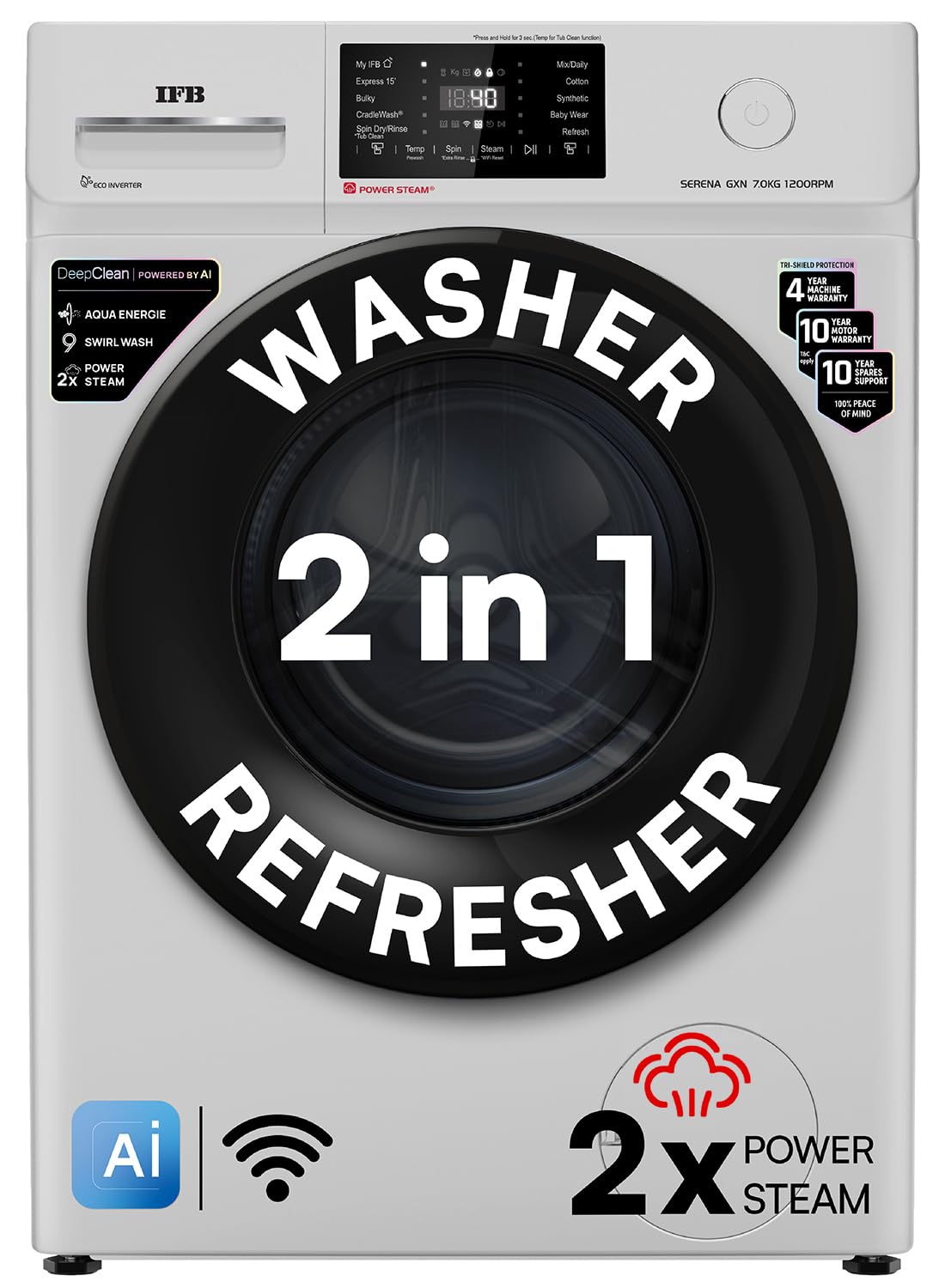
IFB 7 Kg 5 Star DeepClean AI Wi-Fi Front Load (Serena GXN 7012)
Couples and families of 3 wanting a highly rated front load
Best Top Load Washing Machine
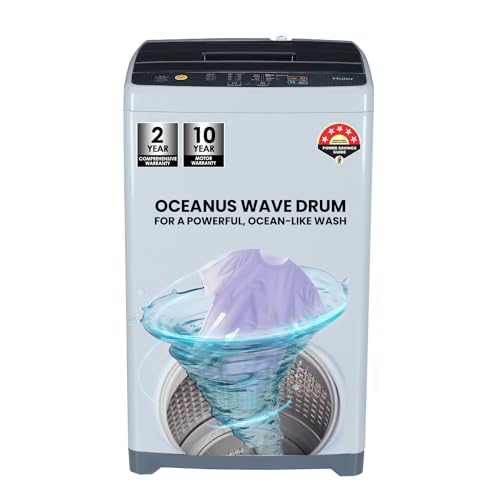
Haier 6 Kg 5 Star Oceanus Wave Drum Fully Automatic Top Load (HWM60-AEN)
Couples and small families wanting the cheapest fully automatic we list
Best Mid-Range Top Load
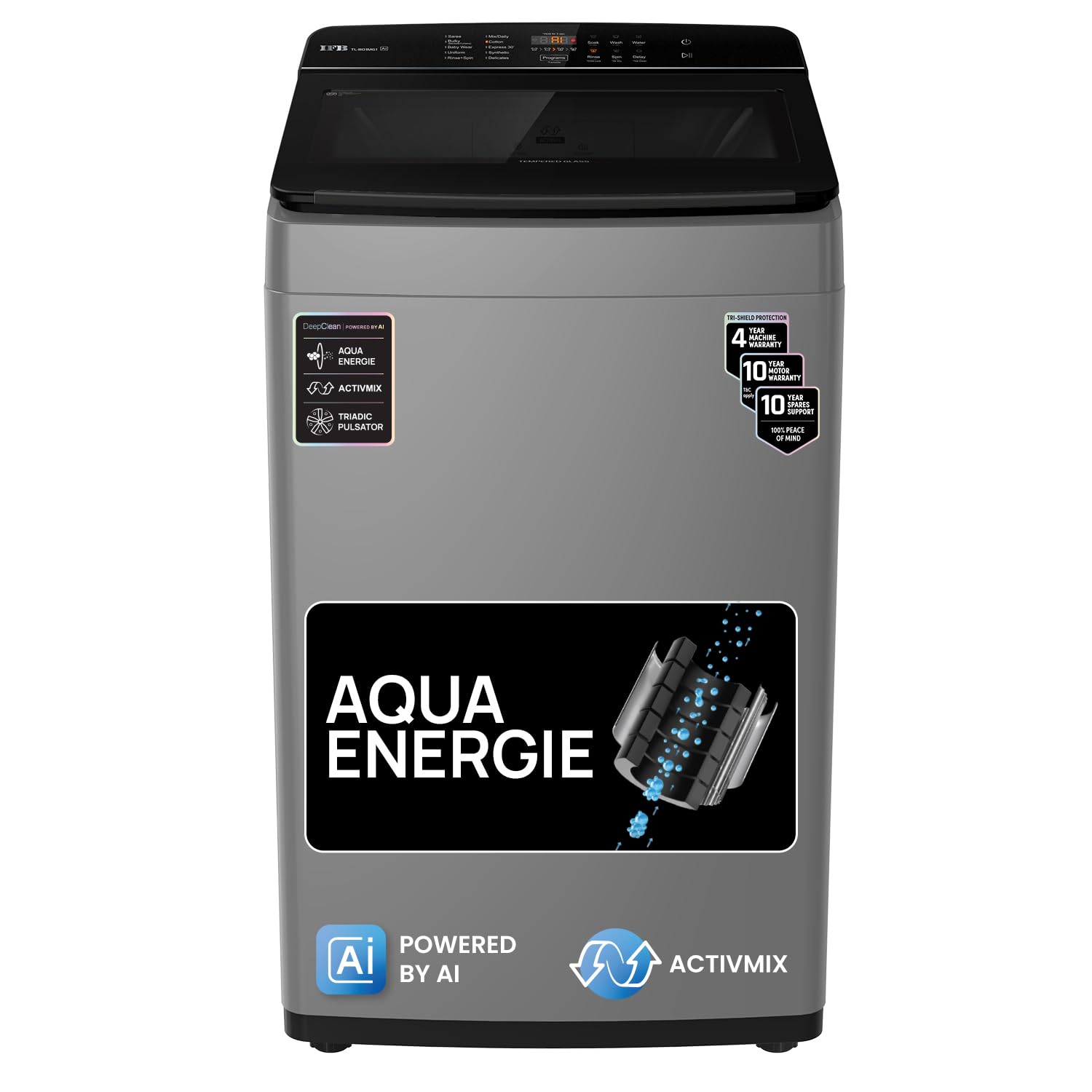
IFB 8 Kg 5 Star DeepClean AI Powered Fully Automatic Top Load (TL801MG1)
Families of 4 in hard-water areas wanting a long warranty
See all washing machines → Complete Washing Machine Guide