Disclosure: This post contains affiliate links. If you buy through our links, we earn a small commission at no extra cost to you. Read our affiliate policy.
You've probably seen the yellow and green label on every appliance sold in India. It has a row of stars and the logo of the Bureau of Energy Efficiency (BEE). But what does it actually mean, and how much money do you really save by choosing a 5-star model over a 3-star one?
This guide decodes the BEE star labeling system and helps you make a smarter buying decision.
What is the BEE Star Rating System?
The Bureau of Energy Efficiency (BEE) is a government body under the Ministry of Power. They mandate that most high-energy-consuming appliances sold in India must carry a Star Label that certifies their energy efficiency.
The rating goes from 1 Star (least efficient) to 5 Stars (most efficient). The label also shows the Annual Energy Consumption in units (kWh), which is the most useful number on the label.
Important: The star rating is not absolute. BEE revises the standards every few years, so a 5-star model from 2020 might only qualify as 3-star in 2026. Always check the year printed on the label.
How the Label Works: What Numbers to Look At
The label shows two key things:
- The Stars (1-5): A quick visual indicator of efficiency tier
- Annual Energy Consumption (kWh): The actual units of electricity this appliance will consume per year under standard test conditions
The second number is what you should be comparing when two appliances have different star ratings. For example, a 5-star 8Kg washing machine might use 80 units/year, while a 3-star 6Kg model uses 120 units/year — even though the 5-star model is larger.
How Much Money Do You Actually Save?
Let's calculate the real-world savings for the most popular appliance categories.
Washing Machine (7 Kg, daily use)
| Rating | Typical Annual Consumption | Annual Cost (₹8/unit) |
|---|---|---|
| 5-Star | 75-100 units | ₹600-800 |
| 3-Star | 150-200 units | ₹1,200-1,600 |
| 1-Star | 250+ units | ₹2,000+ |
Annual savings: 5-star vs 3-star = ₹600-800/year
The premium for a 5-star washing machine over a 3-star model is typically ₹3,000-5,000. At ₹700/year in savings, you break even in 4-7 years.
Refrigerator (250L, 365 days)
| Rating | Typical Annual Consumption | Annual Cost (₹8/unit) |
|---|---|---|
| 5-Star | 150-200 units | ₹1,200-1,600 |
| 3-Star | 300-380 units | ₹2,400-3,040 |
| 1-Star | 450+ units | ₹3,600+ |
Annual savings: 5-star vs 3-star = ₹1,200-1,500/year
For a refrigerator (which runs 24/7), the star rating has the biggest impact on your electricity bill. A 5-star refrigerator pays for its premium price difference within 2-3 years.
Air Conditioner (1.5 Ton, 8 hours/day for 5 months/year)
| Rating | Typical Annual Consumption | Annual Cost (₹8/unit) |
|---|---|---|
| 5-Star Inverter | 700-900 units | ₹5,600-7,200 |
| 3-Star Inverter | 1,000-1,200 units | ₹8,000-9,600 |
| 3-Star Fixed Speed | 1,400+ units | ₹11,200+ |
Annual savings: 5-star Inverter vs 3-star Fixed = ₹3,000-5,000/year
For ACs, the BEE rating makes the biggest financial difference. A 5-star inverter AC can pay back its ₹5,000-8,000 premium over a 3-star fixed speed model in as little as 2 years of summer use.
The "Inverter" vs "Star" Debate
For ACs and refrigerators, you'll see the term "Inverter" technology alongside the star rating. These are related but different:
- Star Rating: Measures efficiency under standard conditions
- Inverter Technology: Means the compressor can vary its speed instead of just running at full power or off
An inverter compressor is more efficient in real-world conditions than the BEE test shows, because it runs at lower power most of the time (once the room/fridge reaches temperature). A 3-star inverter AC will often outperform a 5-star fixed-speed AC in real annual electricity consumption.
The rule of thumb: Always prefer an Inverter over a Fixed Speed motor, regardless of the star rating comparison.
Which Appliances Benefit Most from Higher Star Ratings?
| Appliance | Benefit from Higher Stars? | Why |
|---|---|---|
| Refrigerator | ✅ Very High | Runs 24/7/365 |
| AC | ✅ Very High | Runs many hours per day |
| Washing Machine | ✅ Medium | 1-2 cycles/day |
| Water Heater (Geyser) | ✅ Medium | Daily use |
| Air Fryer | ⚠️ Low | Short cycles, already efficient |
| Induction Cooktop | ⚠️ Low | Short cooking duration |
The star rating matters most for appliances that run continuously (fridge) or for long durations (AC). For occasional-use appliances like air fryers, the difference between ratings is negligible.
Practical Tips for Using the BEE Label
- Compare Annual kWh, not just stars: A 5-star 8Ton AC uses more electricity than a 3-star 1-Ton AC.
- Check the validity year: Star standards are revised regularly. A 5-star label from 2022 may be equivalent to 3-star standards today.
- Look for the ISEER rating on ACs: The Indian Seasonal Energy Efficiency Ratio is a more accurate real-world metric than just star rating.
- Don't overpay for stars on appliances you rarely use: Paying ₹2,000 extra for a 5-star toaster is financially irrational if you use it once a week.
What Your Full Home Setup Could Save: A Real Calculation
Most people think about BEE ratings one appliance at a time. But the real savings add up fast when you look at an entire household.
Let's calculate the annual electricity bill difference between a home with all 3-star appliances vs all 5-star appliances — a realistic scenario for someone furnishing a new home in 2026.
Assumptions: 2BHK apartment, family of 4, Delhi NCR (₹8/unit electricity tariff)
| Appliance | 3-Star Annual Cost | 5-Star Annual Cost | Annual Saving |
|---|---|---|---|
| Refrigerator (250L) | ₹2,720 | ₹1,360 | ₹1,360 |
| AC 1.5T (6 months use) | ₹9,600 | ₹6,400 | ₹3,200 |
| Washing Machine (daily) | ₹1,440 | ₹720 | ₹720 |
| Water Heater/Geyser | ₹1,200 | ₹800 | ₹400 |
| Ceiling Fan (3 fans) | ₹1,080 | ₹720 | ₹360 |
| Total | ₹16,040/year | ₹10,000/year | ₹6,040/year |
By choosing all 5-star appliances, a typical Indian 2BHK household saves ₹6,040 per year on electricity bills. Over 10 years, that is ₹60,400 in savings — before accounting for rising electricity tariffs, which typically increase 5–8% annually.
The 10-Year Picture
With electricity tariffs increasing at 6% per year (historically consistent with India's power sector pricing):
| Year | Annual Saving | Cumulative Saving |
|---|---|---|
| Year 1 | ₹6,040 | ₹6,040 |
| Year 3 | ₹6,790 | ₹19,610 |
| Year 5 | ₹7,630 | ₹34,200 |
| Year 10 | ₹10,210 | ₹79,400 |
The typical premium for choosing 5-star over 3-star across all household appliances is approximately ₹20,000–₹30,000. At a 6% tariff growth rate, this premium is fully recovered within 4–5 years, and the savings continue for the remaining 5–8 years of the appliance's lifespan.
How to Check and Compare Star Ratings Before Buying
Here is a practical 3-step process to use BEE ratings effectively when buying any appliance:
Step 1: Note the Annual kWh on the label (not just the stars) The annual energy consumption in kWh is the number to compare — not the star count. A larger 5-star appliance may use more energy than a smaller 3-star one. Always compare kWh for similar-capacity models.
Step 2: Calculate your personal payback period Divide the price premium (5-star minus 3-star price) by your annual savings at your local electricity rate. This gives you the exact number of years until you break even. For an appliance you'll use for 10+ years, a 3–5 year payback is an excellent return.
Step 3: Verify on beestarlabel.com BEE maintains a public database of all certified products. Enter the label registration number (printed on the physical label) to confirm the rating is genuine and check the year of certification.
Check out our energy-efficient appliance recommendations →
Related Articles
- Induction Cooktop vs Gas Stove — Cost India
- Air Fryer Electricity Consumption India
- Best Washing Machine in India
Frequently Asked Questions
What does BEE star rating mean on appliances in India?
BEE stands for Bureau of Energy Efficiency, a government body under India's Ministry of Power. The star rating (1 to 5 stars) indicates how energy efficient an appliance is. A 5-star rated appliance is the most efficient, consuming the least electricity for the same output. The rating is mandatory for appliances like air conditioners, refrigerators, washing machines, and televisions.
How much electricity does a 5-star vs 3-star appliance save?
A 5-star rated appliance typically uses 25–40% less electricity than a 3-star rated appliance of the same capacity. For example, a 5-star 8kg front-load washing machine might use 0.5 kWh per cycle vs 0.8 kWh for a 3-star model. At ₹8/unit and 30 cycles/month, that's a saving of ₹72/month, or ₹864/year — for a washing machine alone.
Is a 5-star appliance always worth the premium price in India?
Generally yes for appliances used daily (refrigerators, ACs, washing machines). The payback period for the price premium is typically 2–4 years, and most appliances last 10+ years. For appliances used rarely (occasional use ovens, irons), the savings may not justify the premium — a 3-star model is fine.
How often does BEE update the star rating criteria?
BEE typically revises the star rating criteria every 2–3 years to account for technological improvements. This means a 5-star appliance from 2021 may only be equivalent to a 3-star appliance by 2024 standards. Always check the date of BEE certification when comparing older and newer models.
Which appliances are covered under BEE star ratings in India?
BEE star ratings currently cover: air conditioners, refrigerators, washing machines, ceiling fans, LED lamps, televisions, direct cool refrigerators, distribution transformers, geysers (water heaters), and room air conditioners. Induction cooktops and air fryers do not yet have mandatory BEE ratings, though some brands voluntarily apply for them.
How can I verify if a BEE star rating is genuine?
You can verify an appliance's BEE certification on the official BEE website (beestarlabel.com). Each certified appliance has a unique label registration number. You can enter this number to confirm the star rating, energy consumption data, and the date of certification.
Our Top 5-Star Energy-Efficient Picks
Now that you know how to read BEE labels, here are our highest-rated energy-efficient appliances — all ranked for Indian conditions:
Best 5-Star Washing Machine
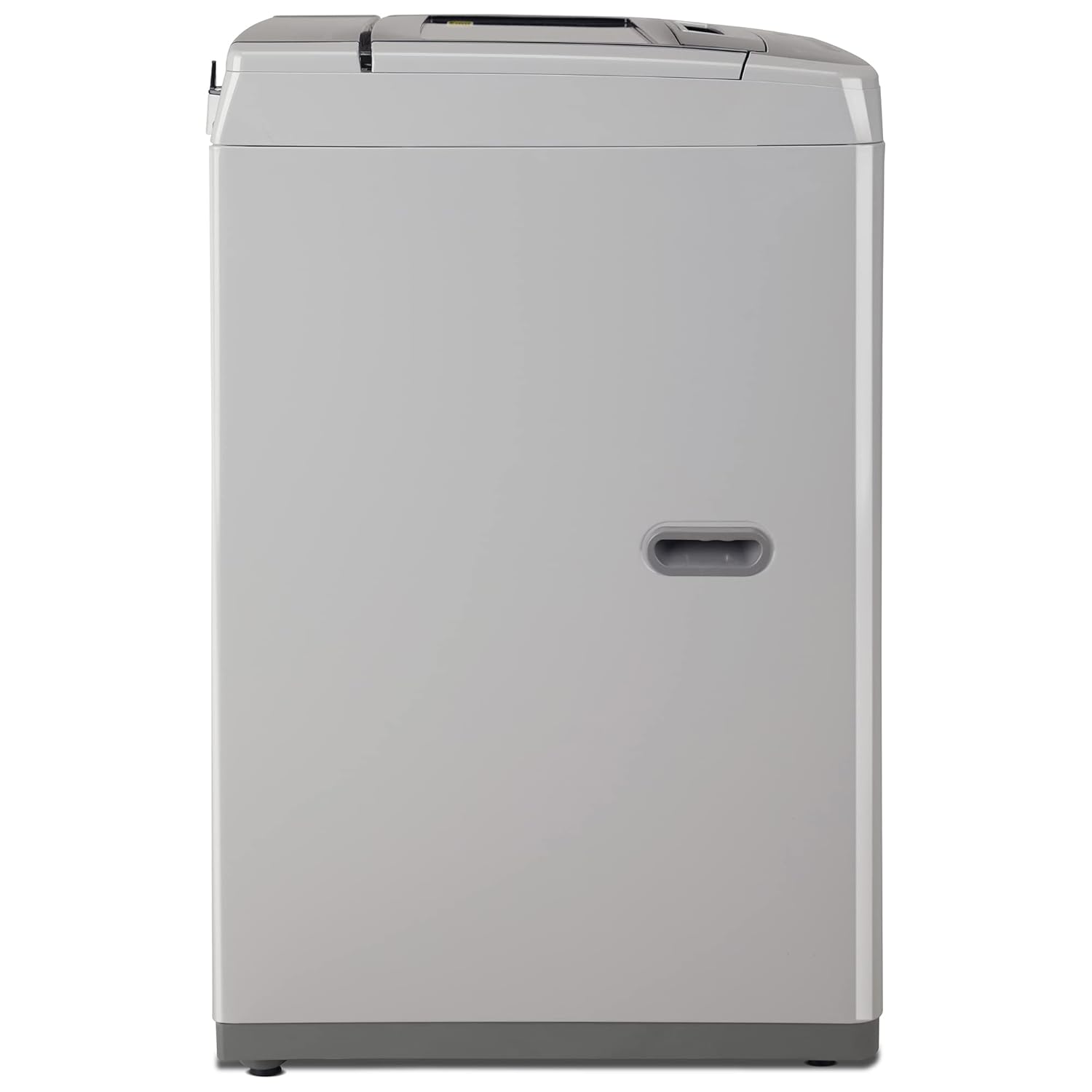
LG 7 Kg 5 Star Smart Inverter TurboDrum Fully Automatic Top Load (T70VBMB1Z)
Families of 3-4 wanting the best all-round fully automatic top load
Best Energy-Efficient Air Fryer
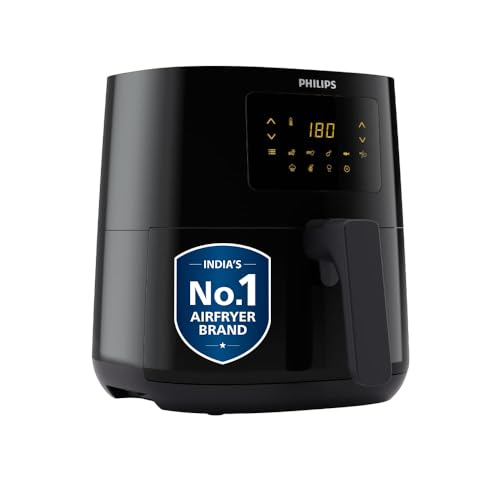
Philips HD9252/90 4.1L Digital Air Fryer, 1400W
Buyers who want the most-reviewed Philips with a keep-warm function
Our Best-Value Induction Cooktop
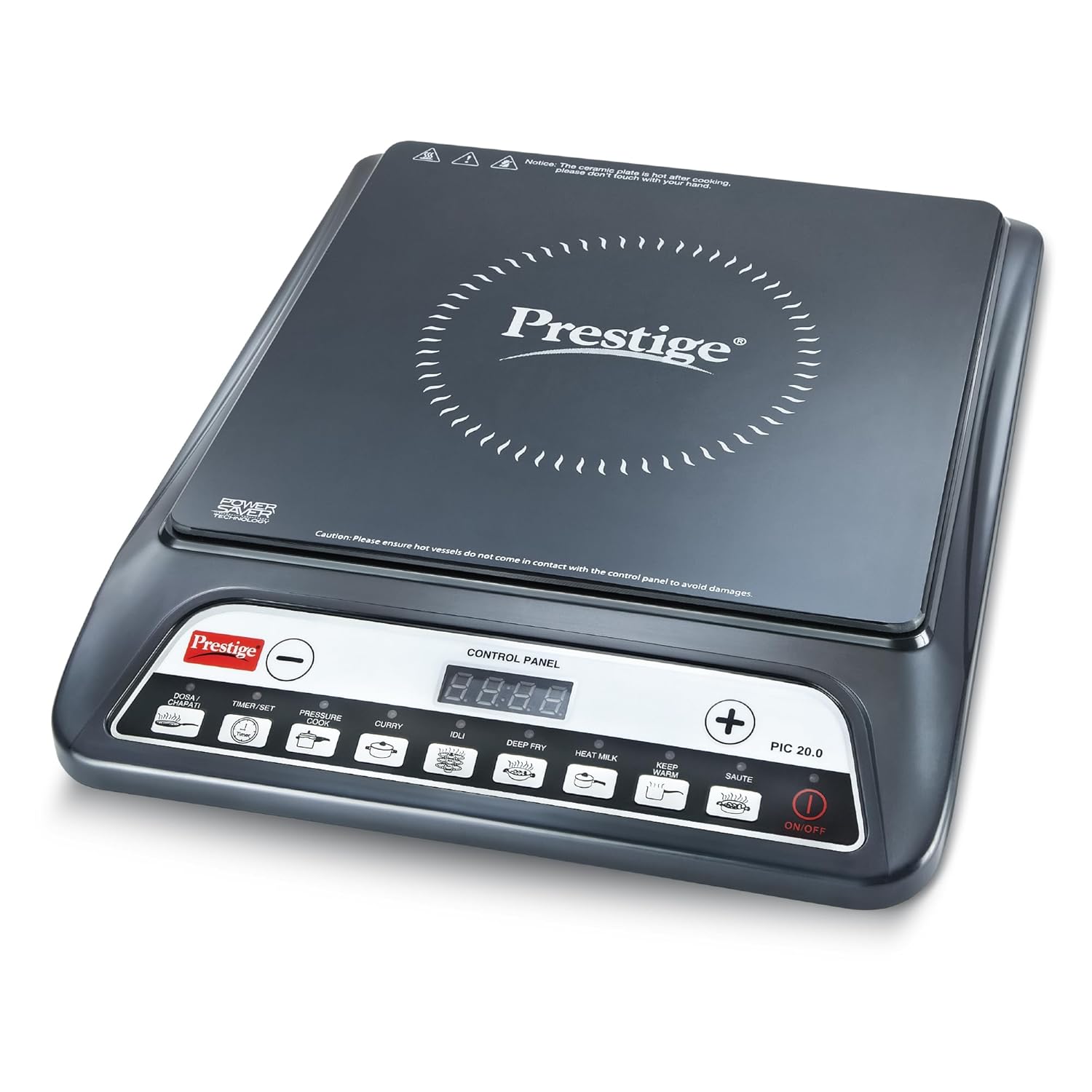
Prestige PIC 20 1600W Induction Cooktop
Most homes wanting the best-selling cooktop with Indian menus
Pro tip: Filter by BEE star rating on Amazon — type your appliance name + "5 star BEE" to see only the most efficient models.
Related Reading
- Best Air Fryer in India 2026 — All Top Picks — 5-star energy rated models
- Best Washing Machine in India 2026 — Energy-efficient top picks
- Best Induction Cooktop in India 2026 — Low running cost options